
How Desert Heat Kills Car Batteries Faster: What Apple Valley and Lancaster Drivers Need to Know

Desert heat is one of the most serious threats to car battery health. Living in the High Desert means dealing with summer temperatures that regularly challenge both people and their vehicles. Finding a reliable Battery Store in Apple Valley, CA, matters more here than in most parts of Southern California, because the Mojave environment shortens battery life in ways many drivers never expect.
Heat Is Harder on Car Batteries Than Cold Weather
Most drivers assume cold weather is the biggest threat to a car battery. Industry experts consistently point out that heat, not cold, is the primary driver of premature battery failure. Cold weather slows a battery down temporarily, but heat causes damage that never reverses. When temperatures rise, chemical reactions inside the battery speed up and begin destroying it from the inside out.
The math is not encouraging for High Desert drivers. Research shows that for roughly every 15 to 18 degrees Fahrenheit above 77 degrees, battery lifespan can be cut nearly in half. Apple Valley, CA, regularly sees highs in the 90s throughout summer, with temperatures pushing past 100 degrees during peak heat waves. Under the hood, conditions can be even more intense. Knowing where your nearest Battery Store is located before trouble starts is a practical step every High Desert driver should take.
What Desert Heat Actually Does to a Battery
Desert heat damages a car battery through three main processes. Understanding them can help you recognize trouble before it leaves you stranded on Bear Valley Road or the 138 heading toward Victorville.
Fluid Evaporation: A standard flooded battery contains water and sulfuric acid. When temperatures spike, that fluid evaporates. Once the level drops, internal lead plates are exposed to air, causing permanent oxidation and corrosion that prevent the battery from holding a charge.
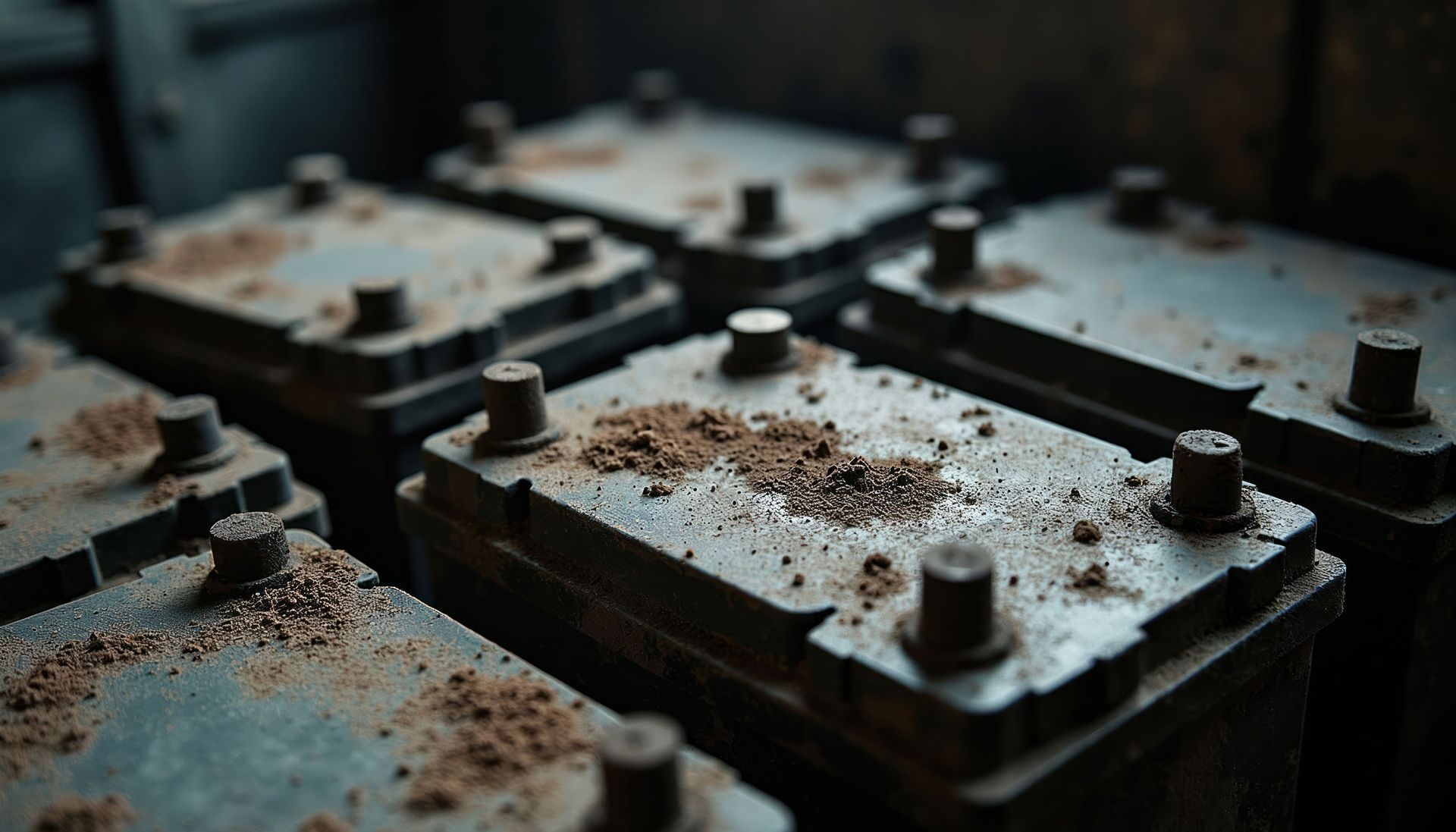
Internal Plate Corrosion: Heat speeds up oxidation of the lead alloy inside the battery, forming deposits that reduce conductivity. Even AGM batteries, which are sealed and more resistant to fluid loss, are not immune to the accelerated chemical reactions that degrade plates and shorten cell life.
Cumulative Damage: Heat damage builds quietly over months. A battery that made it through summer may appear fine in October, then suddenly fail when cooler weather arrives and the engine demands more power to start. Stopping by a Battery Store for a quick test after summer is one of the easiest ways to catch hidden wear before it becomes a roadside problem.
How Long Do Batteries Last in the High Desert?
In temperate climates, a car battery may last five to seven years. In consistently hot desert conditions, that lifespan can drop to two to three years. For drivers in Apple Valley, CA, Lancaster, Victorville, and Adelanto, that shorter window is an important planning factor. A knowledgeable Battery Store team can help you choose a battery specifically rated for extreme heat.
The High Desert is also notable for wide temperature swings between scorching summer highs and cold winter mornings, which stress the battery from both ends of the spectrum and accelerate wear faster than a consistently moderate climate.
Warning Signs Your Battery May Be Failing
Watch for these signs that your battery could be struggling in the desert heat:
- The engine cranks slowly or hesitates before starting.
- Headlights appear noticeably dimmer than usual.
- A battery warning light appears on the dashboard.
- The battery case looks swollen or warped.
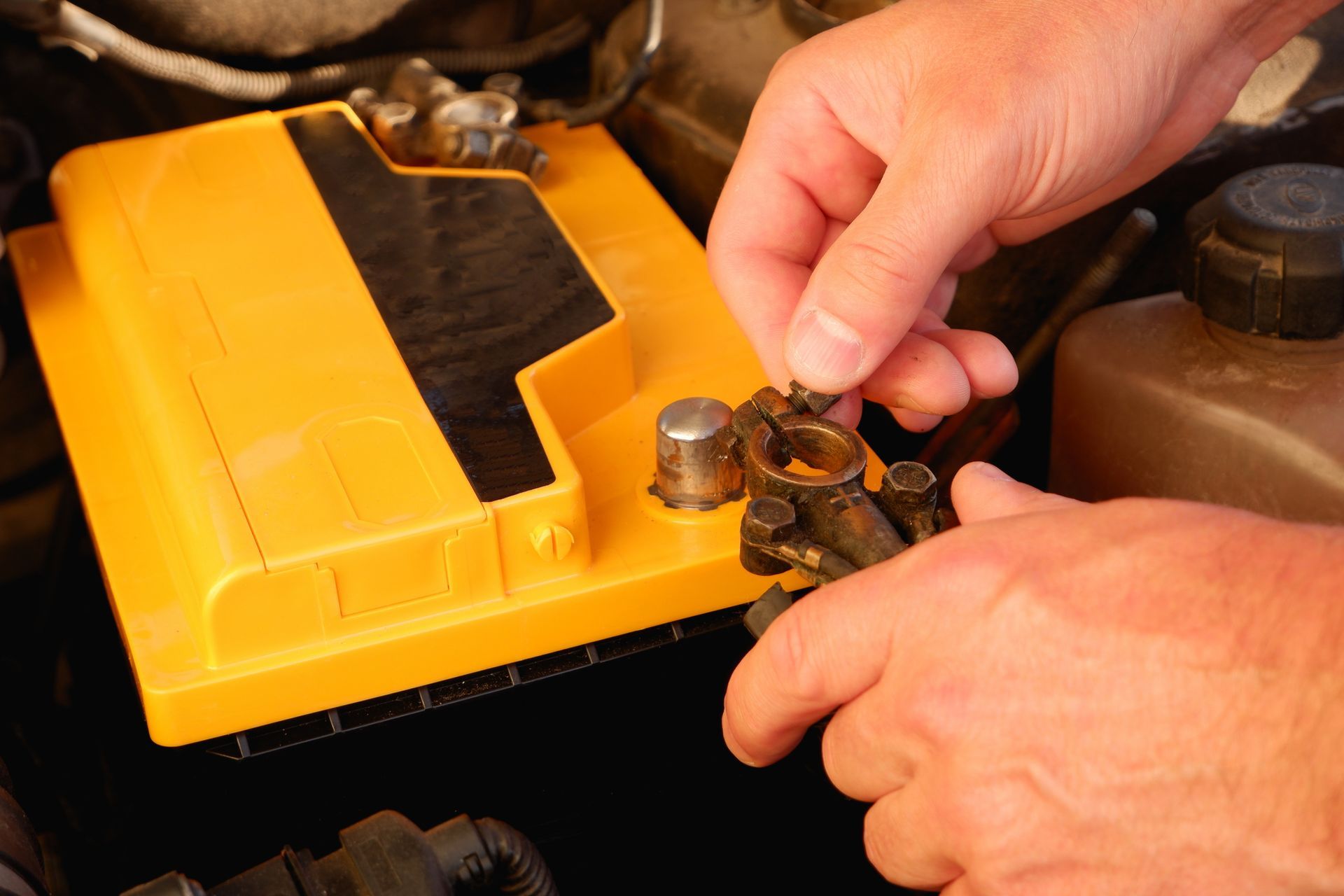
- Corrosion is visible on the terminals.
Any of these signs warrant a free battery test. A local Battery Store can run that test in minutes and give you a clear picture of where your battery stands.
When Should High Desert Drivers Get Their Battery Tested?
Test your battery before summer peaks and again in late summer or early fall. Summer heat does most of the damage; late September and October are when that damage tends to show up as unexpected no-starts. Testing proactively catches a heat-compromised battery before it fails at an inconvenient moment. Parking in the shade when possible and keeping the engine bay free of excessive dirt and debris can also reduce heat load during the hottest months.
What to Look for When Choosing a Replacement Battery
If a test reveals your battery is failing, choosing the right replacement matters. Look for a battery rated for extreme heat. AGM batteries can offer better performance in high-temperature conditions because their sealed design reduces fluid loss from evaporation. Make sure any replacement comes with a warranty and is matched to your vehicle's specific make, model, and electrical demands.
Get Tested and Stay Ready Before the Next Heat Wave
Battery Power Inc. serves Apple Valley and Lancaster drivers with free battery and charging-system testing, new and used options, and professional installation. Whether you are commuting along Highway 18 in Apple Valley or heading in from Palmdale toward the Lancaster store on W. Avenue I, the team is ready to help you find the right fit. As the Battery Store that Apple Valley and Lancaster residents count on most, Battery Power Inc. brings local expertise that makes a real difference in a demanding climate.
Visit the Apple Valley location page for hours and directions, or check out the Lancaster location page if you are closer to the Antelope Valley. Call the Apple Valley store at (760) 247-6555 or reach Lancaster at (661) 949-7500 to schedule your free test today. You can also find Battery Power Inc. on Google for current hours, directions, and reviews.
A free test takes only a few minutes and can tell you exactly where your battery stands before the next heat wave hits.