
Commercial Battery Store Guide: Antelope Valley Fleet Battery Maintenance for Lancaster Businesses in 2026
Fleet battery maintenance in the Antelope Valley is a topic every Lancaster business with a commercial vehicle depends on getting right. Lancaster's High Desert location creates real challenges for commercial batteries. Summer temperatures routinely reach 97°F and frequently spike above 100°F, accelerating fluid evaporation and causing internal damage that shortens battery life. A Commercial Battery Store in Lancaster can help fleets plan around these conditions.
Why Antelope Valley Heat Is Hard on Fleet Batteries
Desert heat is the single biggest threat to fleet battery life in the region. Winters can also dip near freezing, stressing a battery already weakened by summer heat. That combination of extreme highs and cold nights is rougher on lead-acid batteries than a stable coastal climate.
Lancaster serves as a pivotal hub in Southern California's transportation network, supporting agriculture, manufacturing, and logistics industries. That means many vehicles are working hard in conditions that already put batteries under stress. Heat causes electrolyte to evaporate faster in conventional flooded batteries and shortens lifespan for every lead-acid battery, AGM included. For fleets running delivery routes between Lancaster and Palmdale, or hauling out along Avenue I and Avenue J, that shortened lifespan adds up quickly.
AGM or Flooded Lead-Acid? Choosing the Right Battery for Your Fleet
The honest answer depends on your vehicles, your budget, and how much maintenance you can realistically schedule. A Commercial Battery Store can help you weigh those factors before you buy.
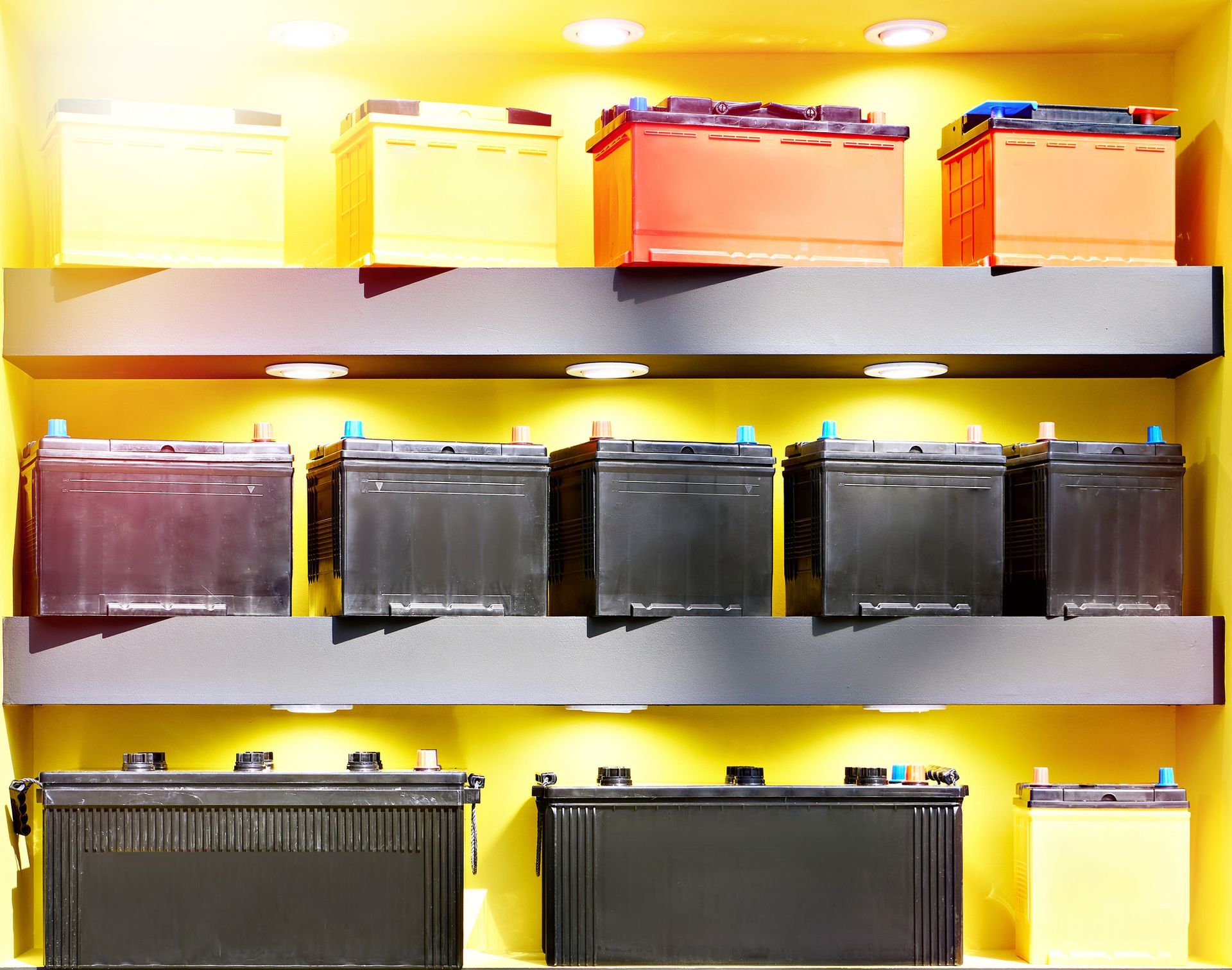
AGM tends to hold up better in cyclical applications, whereas flooded lead-acid is more beneficial in starting applications. Trucks that idle frequently, run refrigeration units, or carry heavy electrical accessories are good candidates for AGM. Vehicles doing basic start-stop duty on shorter routes may perform fine with a well-maintained flooded battery.
AGM batteries are spill-proof and maintenance-free, which is ideal for commercial vehicles that require reliability and minimal upkeep. However, AGM is susceptible to drying out under extremely high heat, whereas flooded batteries can handle higher charge voltages.
AGM is generally the better choice for demanding applications where vibration resistance, low maintenance, and high electrical loads are priorities. Flooded lead-acid can be more suitable when upfront cost is the main concern and regular maintenance is practical.
Recommended Fleet Battery Inspection Schedule
A consistent inspection schedule can prevent most unexpected failures. For Antelope Valley fleets, consider these checkpoints:
- Test every battery before summer heat peaks, ideally in April or May.
- Inspect terminals and cable connections for corrosion after the rainy season each winter.
- Run a load test on any battery that is more than two years old.
- Check flooded batteries for electrolyte levels monthly during summer months.
- Inspect batteries immediately after any vehicle returns from extended idle periods.
A free battery diagnostic can help determine whether the battery is the actual problem. Catching a weak battery during a routine check costs far less than a roadside breakdown on Sierra Highway or a failed start at a Palmdale job site. A Commercial Battery Store can run that test for you.
What Are the Signs a Fleet Battery Needs Replacement?
Watch for these warning signs across your vehicles:
- Slow cranking or delayed engine starts, especially in the morning.
- Dashboard warning lights related to the charging system.
- Visible corrosion or swelling on the battery case.
- A battery that repeatedly needs jump-starting within the same week.
- Headlights or cab electronics that dim noticeably at idle.
How Often Should Commercial Fleet Batteries Be Replaced?
No exact timeline works for every vehicle, but general guidelines for High Desert fleets include replacing flooded batteries every two to three years and evaluating AGM batteries around the three- to four-year mark. Vehicles that sit unused for long stretches, like seasonal equipment stored near Quartz Hill or in the east Lancaster industrial corridor, may fail sooner due to sulfation from extended partial discharge.
Local Considerations for Antelope Valley Fleet Operators
Lancaster's geography adds a few wrinkles that fleet managers elsewhere may not face. Dust from unpaved roads along the valley floor can clog battery vents on flooded units faster than in urban environments. Long stretches of highway between service stops mean a failing battery may not get caught until a vehicle is already out in the field.
You can explore the full range of available options on the commercial battery products page. For vehicles with more specialized needs, the battery diagnostics page covers what a free diagnostic test includes.
Trust Battery Power, Inc. for Fleet Battery Service in Lancaster
Lancaster businesses running commercial fleets need a local partner who understands the demands of High Desert operating conditions. Battery Power, Inc. is the Commercial Battery Store Antelope Valley fleets rely on, serving the area from the AV Battery Mart location at 1134 W. Ave I, Lancaster, CA, and offering a complete line of commercial batteries for trucks, vans, and heavy-duty fleet vehicles.
Call the Lancaster location at (661) 949-7500 to speak with a battery specialist, or request a free quote online to get competitive pricing matched to your fleet's specific needs. Free battery testing is available in-store, so there is no guesswork when deciding whether a battery can be salvaged or needs replacement.